
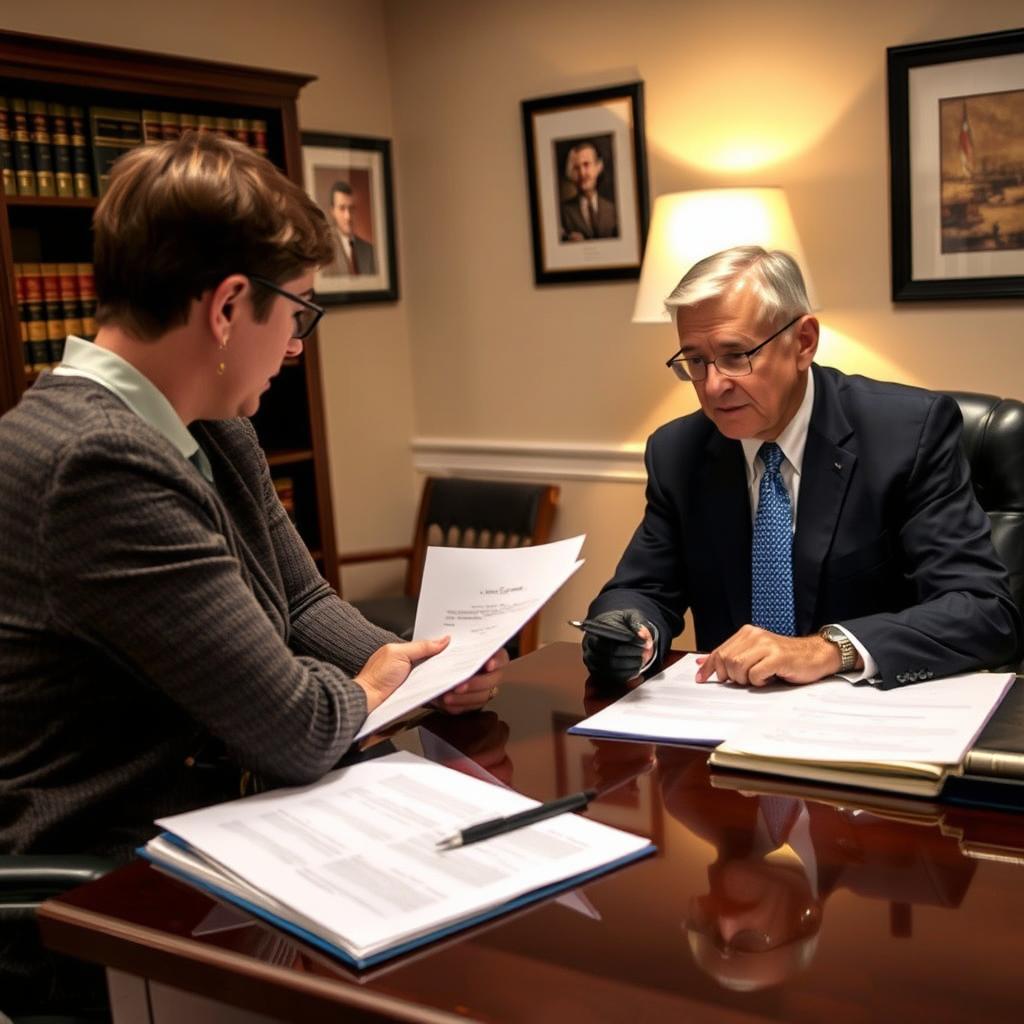
Estate Planning Lawyer in Fairfax, VA
Planning for the future is a deeply personal undertaking, and for families and individuals in Fairfax, Virginia, it also requires a clear understanding of state‑specific laws and local court procedures. Law Offices Of SRIS, P.C., founded in 1997, provides estate planning guidance from our Fairfax location, serving residents of Fairfax County, the City of Fairfax, and surrounding communities. Mr. Sris and the firm’s Of Counsel attorneys work with clients to develop wills, trusts, powers of attorney, and health‑care directives that align with Virginia’s statutory framework and each person’s unique goals. At every stage, the focus remains on crafting documents that stand up under Virginia law while reflecting the client’s intentions. For a consultation about your estate planning needs, call (888) 437‑7747. Law Offices Of SRIS, P.C. – Advocacy Without Borders.
What Estate Planning Means in Fairfax, Virginia
Estate planning in Fairfax is not a one‑size‑fits‑all checklist. The Commonwealth of Virginia grants individuals broad authority to control the distribution of their property, but local probate practice—centered in the Fairfax County Circuit Court—adds practical considerations. Probate matters proceed before the Clerk of the Circuit Court, who serves as the Probate Judge in most uncontested proceedings. Understanding how Fairfax courts handle the admission of wills, qualification of executors, and the inventory process helps families avoid delays and unexpected complications.
Virginia law recognizes several essential instruments. A last will and testament, governed by Virginia Code Title 64.2, allows a person to name beneficiaries, designate a guardian for minor children, and select an executor. For those who wish to avoid probate altogether, revocable living trusts can be settled privately, without court involvement. Advance medical directives and durable powers of attorney address decision‑making during incapacity—a contingency that every adult should prepare for. The intersection of federal estate tax rules and Virginia’s inheritance‑tax‑free status adds another layer; proper planning can preserve assets for heirs while minimizing administrative burdens.
The Fairfax region’s real‑estate market, high‑value professional practices, and complex family structures often make generic, online forms inadequate. A locally‑informed approach accounts for creditor protections, homestead exemptions, and the specific way the Fairfax probate division processes filings. Mr. Sris and the firm’s Of Counsel attorneys bring an understanding of local court culture to each matter, helping clients avoid pitfalls that an out‑of‑the‑box document may create.
How Mr. Sris and the Firm’s Of Counsel Attorneys Handle Estate Planning Cases
Every engagement begins with a confidential conversation—by phone or at our Fairfax location by appointment—to identify the client’s assets, family relationships, and long‑term objectives. This fact‑gathering stage allows the firm to tailor a plan that fits the client’s life, not a template. Because Virginia’s elective share, augmented‑estate, and trust‑modification laws can interact in unexpected ways, the team reviews the full picture before recommending a structure.
Document drafting is never a rush job. The firm’s approach is to prepare each instrument—will, trust, power of attorney, or advance directive—with precise language that conforms to the Virginia Code while leaving no room for ambiguity. Special attention is given to trustee and agent powers, successor designations, and the formalities required for a valid execution ceremony. After drafting, the firm schedules a signing meeting at which all formalities (witnesses, notarization, self‑proving affidavit) are observed. The final executed originals are returned to the client, and the firm keeps a conformed copy, together with clear written instructions on how to fund any trust and where to store the documents securely.
Post‑signing support is just as important. Mr. Sris and the firm’s Of Counsel attorneys remain available to clients and their fiduciaries when questions arise—whether a trustee needs guidance on making distributions, an agent under a power of attorney must deal with a financial institution, or a personal representative needs help navigating the Fairfax probate process. The timeline for probate or trust administration varies by case complexity and court scheduling; the firm works to keep matters moving efficiently while respecting the family’s need for time and privacy.
About Mr. Sris and the Firm’s Of Counsel Attorneys
Mr. Sris, Owner and Founder of Law Offices Of SRIS, P.C., is a former prosecutor. Admitted in Virginia, Maryland, the District of Columbia, New Jersey, and New York, he has practiced in multiple state and federal courts. His background in courtroom advocacy and statutory analysis informs the careful drafting and risk‑aware planning that estate‑planning clients rely on. Mr. Sris is joined by a group of Of Counsel attorneys who are experienced in trust and estate matters, bringing extensive combined legal experience between Mr. Sris and the firm’s Of Counsel attorneys. Results may vary. in any matter.
The firm’s Of Counsel attorneys—independent practitioners who contract directly with Law Offices Of SRIS, P.C.—contribute a broad range of civil‑law skills that complement estate and incapacity planning. Their collective experience allows the firm to serve clients across northern Virginia from our Fairfax location. Clients benefit from the focused attention of a knowledgeable team without the impersonal scale of a large‑firm bureaucracy.
Frequently Asked Questions
What documents are typically part of an estate plan in Virginia?
A typical Virginia estate plan includes a will, a durable power of attorney, an advance medical directive, and, for many clients, a revocable living trust. The will governs the distribution of probate assets and names an executor. The power of attorney appoints an agent to manage financial affairs if the principal becomes unable to do so. The advance directive sets out health‑care wishes and designates a health‑care agent. A revocable trust can hold assets outside probate and provide for a seamless transfer at death. Each document must be executed with the formalities required by the Virginia Code.
Do I need a lawyer for estate planning in Fairfax, or can I use an online service?
You are not legally required to hire a lawyer, but an experienced Virginia estate‑planning attorney can help you avoid mistakes that online services may not catch. Online forms cannot account for the interaction between Virginia’s probate rules, real‑property law, and family‑law considerations. A document that is legally insufficient or improperly executed can lead to costly litigation after incapacity or death. The firm provides an initial consultation so you can understand the benefits of personalized planning before making a decision.
How does the probate process work in Fairfax County?
Probate in Fairfax County generally begins by qualifying the executor before the Clerk of the Circuit Court. The executor files the original will with the probate division and completes the necessary forms and oath. Once qualified, the executor manages the estate, pays valid debts, files required inventories and accountings, and distributes remaining assets according to the will. The timeline depends on the estate’s complexity and the court’s calendar. Our firm can guide executors through each step and help avoid procedural missteps that delay settlement.
How much does it cost to set up an estate plan?
The cost of estate planning depends on the complexity of your situation and the instruments you need. A simple will package costs less than a plan involving multiple trusts, specialized tax provisions, or planning for a blended family. Because every client’s circumstances are unique, we provide fee information during an initial consultation after we understand your goals. There is no charge for the consultation, and you are under no obligation to proceed.
What happens if I die without a will in Virginia?
If you die without a will, Virginia’s intestacy statutes determine who inherits your property. The intestacy rules set out an order of inheritance: surviving spouse and children first, then other relatives. The court appoints an administrator—who may not be the person you would have chosen—to handle the estate. Intestacy can also increase the administrative burden on your family and may not reflect your wishes, particularly for unmarried partners, stepchildren, or charitable intentions. A will gives you control over these decisions.
Can I change my estate plan later?
Yes. An estate plan should be reviewed periodically and can be amended when your circumstances or goals change. Wills and trusts can be updated through codicils, amendments, or restatements, provided the changes are executed with the same formalities as the original document. Major life events—marriage, divorce, the birth of a child, or a significant change in assets—often warrant a fresh look at your plan. Mr. Sris and the firm’s Of Counsel attorneys are available to help clients keep their plans current.
For further guidance on Virginia estate‑planning law, consult the official Virginia Code Title 64.2 (Virginia Legislative Information System) and the general information published by the Virginia’s Judicial System.
Attorney advertising. Prior results do not guarantee a similar outcome. Results may vary. For a consultation about your specific estate‑planning needs, reach Mr. Sris and the firm’s Of Counsel attorneys at (888) 437‑7747. Law Offices Of SRIS, P.C. is by appointment only.
Case results depend on a variety of factors unique to each case.