
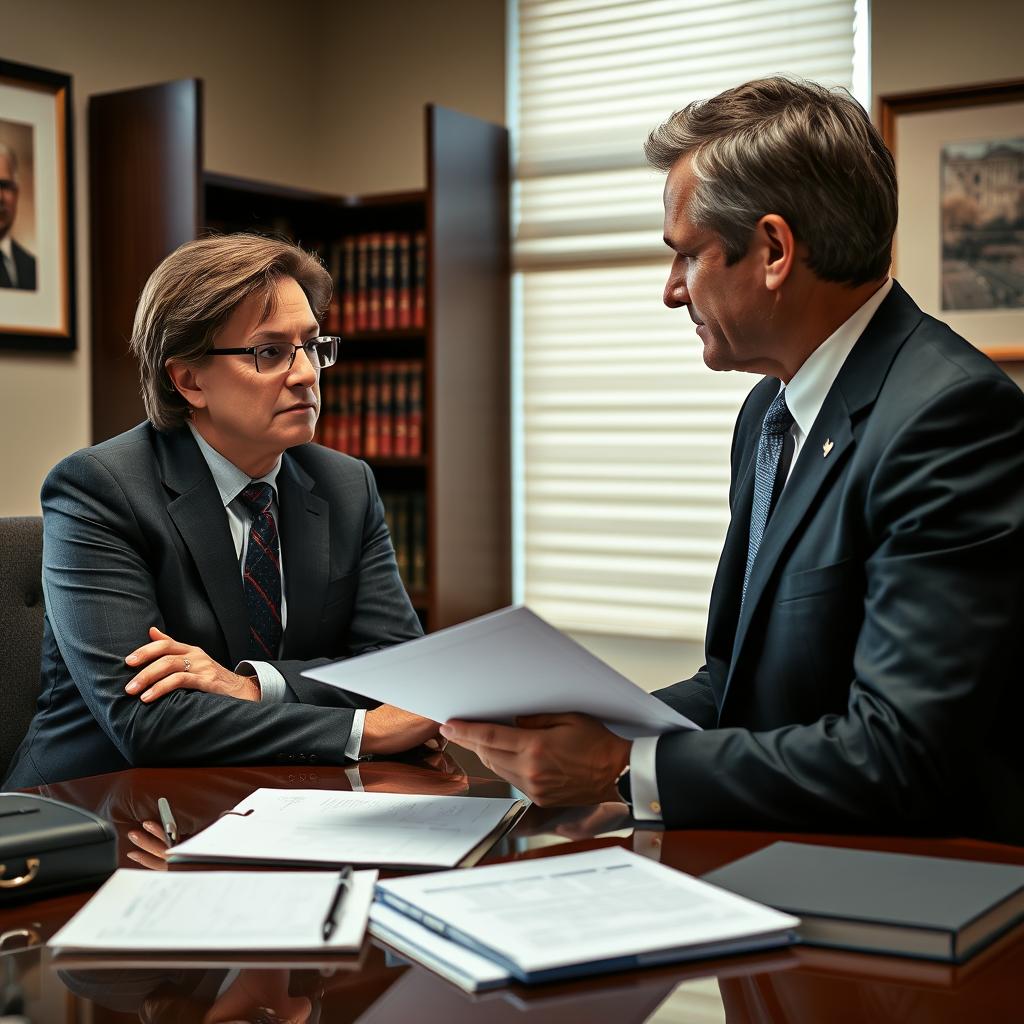
Refusal Hearing Lawyer Foggy Bottom
You need a Refusal Hearing Lawyer Foggy Bottom immediately after a breathalyzer refusal. Law Offices Of SRIS, P.C. —Advocacy Without Borders. The DC implied consent law triggers an automatic license suspension. You have only 10 days to request a hearing at the DC DMV. A Foggy Bottom refusal hearing is a separate civil case from any criminal DUI charge. SRIS, P.C. (Confirmed by SRIS, P.C.)
Statutory Definition of Refusal in DC
DC Code § 50–2201.05(b) — Civil Violation — 12-Month License Revocation. Refusing a chemical test in Foggy Bottom is a civil implied consent violation. The law presumes you consented to testing by driving in the District. A police officer must have reasonable grounds to suspect DUI. The officer must also inform you of the consequences of refusal. Your license faces revocation for one year for a first offense.
The statute is clear and the penalties are automatic upon refusal. The DC Department of Motor Vehicles (DMV) administers the license suspension. This is a separate action from the criminal court system. You will receive a Notice of Proposed Revocation from the DMV. This notice starts the short clock for your defense. You must act within 10 days to challenge the proposed revocation. A Refusal Hearing Lawyer Foggy Bottom files the necessary request for a hearing. The hearing is your only chance to argue against the license loss.
What triggers the implied consent law in Foggy Bottom?
Operating any vehicle on DC public roadways triggers implied consent. This includes all streets and avenues in the Foggy Bottom area. Reasonable suspicion of DUI by a law enforcement officer is required. The officer must observe specific signs of impairment. Common signs include erratic driving, slurred speech, or the odor of alcohol. The officer must then lawfully arrest you for DUI. The chemical test request follows the lawful arrest.
What are the police required to tell you?
Police must read the DC Implied Consent Notice verbatim. This notice explains the test request and the penalties for refusal. It states that refusal will lead to a 12-month license revocation. It also states that test results can be used in criminal court. Failure to provide this warning can be a defense. Your Refusal Hearing Lawyer Foggy Bottom will review the arrest details. They check for proper procedure and accurate advisement of your rights.
Can you refuse a preliminary breath test (PBT) in DC?
Refusing a preliminary roadside breath test carries no license penalty. The PBT is not covered by the implied consent law in DC. However, refusal may give the officer probable cause for a DUI arrest. The formal chemical test at the station is what triggers implied consent. This test is either a breathalyzer or blood draw. Refusing this post-arrest test invokes the 12-month revocation.
The Insider Procedural Edge for Foggy Bottom
Your refusal hearing is held at the DC DMV Adjudication Services at 95 M Street SE. You have 10 calendar days from receiving the Notice of Proposed Revocation to request a hearing. File a written request or use the DMV’s online portal. The filing fee for a hearing request is currently $35. The hearing is a formal administrative proceeding. An Administrative Law Judge (ALJ) presides over the case. The DC Attorney General’s Location typically represents the government. Procedural specifics for Foggy Bottom are reviewed during a Consultation by appointment at our DC Location.
The timeline from request to hearing can be several weeks. The ALJ will review the police officer’s sworn report. They also consider any testimony from the arresting officer. You have the right to present evidence and cross-examine witnesses. The burden of proof is on the government to prove the refusal. The standard is “preponderance of the evidence,” not “beyond a reasonable doubt.” Winning requires challenging the officer’s grounds or the procedure used. A skilled breathalyzer refusal defense lawyer Foggy Bottom knows these tactics.
What evidence is presented at the hearing?
The government presents the officer’s sworn Report of Refusal (Form DR-15). This form documents the arrest and the refusal. The arresting officer may testify via phone or in person. The government must prove they had reasonable grounds for the arrest. They must also prove you were informed of the consequences. They must finally prove you refused the test. Your lawyer presents counter-evidence and cross-examines the officer. Medical issues or language barriers can be raised as defenses.
What is the success rate for these hearings?
Success depends entirely on the specific facts and legal arguments. Winning an implied consent law violation lawyer Foggy Bottom case is possible. Common wins come from procedural errors by the police. Failure to properly advise of consequences can invalidate the refusal. Lack of reasonable grounds for the initial stop is another defense. The ALJ has discretion to set aside the revocation if the government fails its burden. An experienced attorney identifies and exploits these weaknesses.
Penalties & Defense Strategies
The most common penalty is a 12-month driver’s license revocation. This is a mandatory civil penalty for a first-time refusal in DC. There is no option for a restricted license during this period. You cannot drive for any purpose for one full year. A second refusal within a 15-year period carries a 2-year revocation. The revocation is independent of any criminal DUI penalties. You face these penalties even if you are never convicted of DUI.
| Offense | Penalty | Notes |
|---|---|---|
| First Refusal | 12-Month License Revocation | Mandatory, no restricted permit. |
| Second Refusal (within 15 yrs) | 24-Month License Revocation | Counts from date of violation. |
| DUI Conviction + Refusal | Revocation + Criminal Penalties | Penalties run consecutively. |
[Insider Insight] DC ALJs see many refusal cases. They expect a professional defense. Prosecutors from the AG’s Location rely heavily on the officer’s report. They often lack deep familiarity with the specific arrest details. An aggressive cross-examination can reveal inconsistencies. Challenging the officer’s reasonable grounds is the most effective strategy. A medical defense requires documented evidence from a physician.
How does a refusal affect a criminal DUI case?
The refusal can be used as evidence of guilt in criminal court. Prosecutors argue refusal shows consciousness of guilt. This can make plea negotiations more difficult. It can also influence a jury if the case goes to trial. However, winning the refusal hearing does not dismiss the criminal case. The two cases proceed on separate tracks. A strong defense in both forums is critical. You need a lawyer who handles both administrative and criminal law.
What are the long-term consequences of a refusal?
A 12-month revocation goes on your permanent DC driving record. Insurance companies will see this violation upon renewal. Your premiums will likely increase significantly. A refusal may be reported to the National Driver Register. This can affect your ability to get a license in another state. Employers requiring a clean driving record may terminate you. The collateral consequences are severe and lasting.
Why Hire SRIS, P.C.
Our lead attorney for DC refusal cases is a former prosecutor with over 15 years of trial experience.
Lead DC Defense Attorney: This attorney knows the tactics of the DC Attorney General’s Location. They have conducted hundreds of administrative hearings. They understand how to cross-examine MPD officers effectively. Their background provides a strategic advantage in building your defense.
SRIS, P.C. has a dedicated team for DUI defense and license matters. We assign multiple attorneys to review every case file. We look for every procedural error and legal loophole. Our goal is to get the revocation set aside. We prepare for the hearing as if it were a full trial. We gather evidence, secure witness statements, and develop a clear theory of defense. Our experienced legal team works across our Locations.
We provide aggressive, no-nonsense representation. We explain the process in direct terms. We give you an honest assessment of your chances. We fight the case on the facts and the law. We do not make empty promises. We build a defense designed to win. Our knowledge of DC implied consent law is current and practical. We stay updated on ALJ decisions and trends. This insight informs our strategy for your implied consent law violation lawyer Foggy Bottom case.
Localized FAQs for Foggy Bottom
How long do I have to request a refusal hearing in DC?
You have 10 calendar days from the date on your Notice of Proposed Revocation. This deadline is strict. The DC DMV rarely grants extensions for late filings.
Where is the refusal hearing held for Foggy Bottom residents?
All DC refusal hearings are at the DMV Adjudication Services Location. The address is 95 M Street SE, Washington, DC. Hearings may be in-person or by telephone.
Can I get a restricted license after a refusal in DC?
No. DC law does not allow a restricted license for an implied consent violation. The revocation period is absolute with no driving privileges.
Do I need a lawyer for a DC DMV refusal hearing?
Yes. The hearing is a formal legal proceeding. The government is represented by an attorney. You need a Refusal Hearing Lawyer Foggy Bottom to level the field.
What happens if I win my refusal hearing?
The proposed revocation is set aside. Your driving privileges are fully restored. The refusal is removed from your DC driving record.
Proximity, CTA & Disclaimer
Our DC Location serves clients in Foggy Bottom, Georgetown, and across Washington. We are accessible for case reviews and strategy sessions. Consultation by appointment. Call 24/7. Our phone number is (888) 437-7747. Our legal team is ready to defend your license. Do not face a DC refusal hearing alone. The stakes are too high. Contact SRIS, P.C. today to discuss your case. We provide criminal defense representation and license defense.
Past results do not predict future outcomes.