
Out of State Driver Lawyer Capitol Hill, DC
Receiving a traffic citation while passing through Capitol Hill can feel unsettling, especially when your license, insurance, and driving record are tied to another jurisdiction. Law Offices Of SRIS, P.C. Concentrates its practice on helping out-of-state drivers resolve DC traffic matters efficiently, without unnecessary travel back to the District. Whether you were cited for speeding on I‑395, a moving violation near Eastern Market, or a more serious offense like reckless driving, our firm understands how DC’s court and administrative systems interact with home‑state licensing agencies. We work to address the immediate citation while helping you stay informed about potential consequences in your own state. Mr. Sris and his Of Counsel bring extensive combined legal experience to out-of-state driver cases. Results may vary. For a consultation, reach our firm at (888) 437‑7747. Law Offices Of SRIS, P.C. – Advocacy Without Borders.
What Out‑of‑State Driver Issues Mean in Capitol Hill
Capitol Hill lies at the center of Washington, D.C., bordered by major corridors like Pennsylvania Avenue, I‑395, and the Southeast/Southwest Freeway. Drivers from Maryland, Virginia, and beyond frequently travel through the neighborhood for work, congressional business, or tourism. When an out‑of‑state driver is stopped by Metropolitan Police or captured by one of D.C.’s extensive automated enforcement cameras, the citation is addressed under the District’s own traffic code — not the motor vehicle laws of the driver’s home state.
Many routine infractions, such as speed‑camera violations or failure to obey a traffic control device, are handled civilly by the D.C. Department of Motor Vehicles Adjudication Services. Those matters do not carry points on a D.C. Record and are not criminal. Serious charges, however — including reckless driving, leaving the scene of an accident, or driving under the influence — are heard in the Criminal Division of D.C. Superior Court at 500 Indiana Avenue NW. For an out‑of‑state driver, a criminal traffic case means more than a fine; it can jeopardize driving privileges, trigger home‑state DMV consequences, and require a court appearance. Our firm is familiar with this landscape and represents drivers on both civil and criminal matters in the District.
How Mr. Sris and His Of Counsel Handle Out‑of‑State Driver Cases
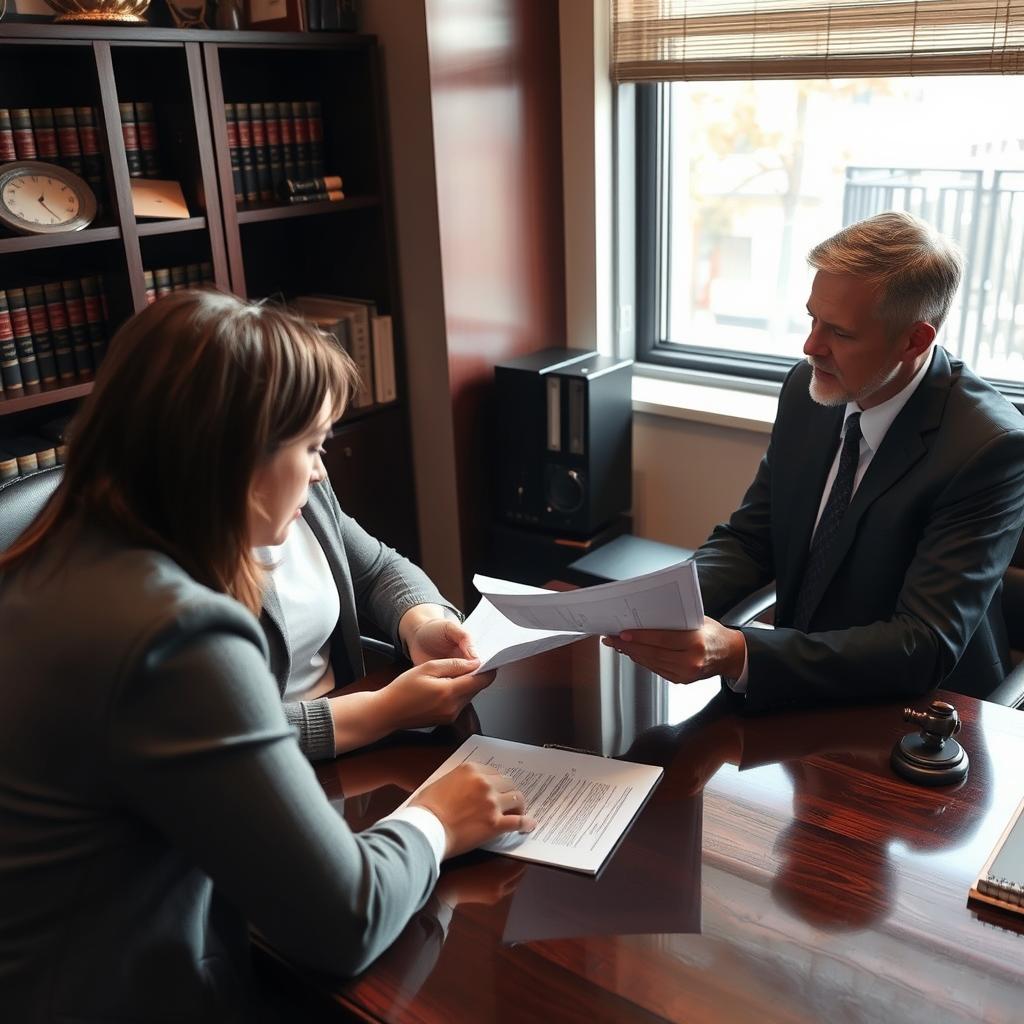
Law Offices Of SRIS, P.C. approaches every out‑of‑state traffic matter with two goals: resolving the D.C. Citation favorably and minimizing downstream repercussions in the driver’s home jurisdiction. Because our attorneys are admitted in the District of Columbia and regularly practice in D.C. Superior Court, we can appear on a client’s behalf for many hearings — often eliminating the need for the driver to travel back to Washington. For clients who do wish to be present, we coordinate court dates to accommodate out‑of‑town schedules.
We begin by evaluating the charge and the evidence. If a procedural or factual challenge exists — such as a question about the officer’s observations or the reliability of a speed measurement — we raise it with the prosecutor or the court. When negotiation is appropriate, we work to seek a reduction to a less serious offense or, where the facts and law permit, a dismissal. Throughout, we explain the likely impact on the client’s home‑state driving record, insurance, and any applicable license‑compact reporting, so the driver can make informed decisions. We also stay mindful that commercial drivers face heightened standards; we handle those cases with the appropriate focus on preserving employment eligibility.
About Mr. Sris and His Of Counsel Team
Mr. Sris, Owner and Founder of Law Offices Of SRIS, P.C., has practiced law since 1997. A former prosecutor, he understands how traffic cases are built by the government and what weaknesses to look for in the state’s evidence. Mr. Sris testified before the Virginia House Courts of Justice Committee in support of 2019 HB 635 (chief patron Del. David Bulova). His experience spans the full range of traffic and criminal defense work across Virginia, Maryland, the District of Columbia, New Jersey, and New York.
Mr. Sris collaborates with his Of Counsel, experienced litigators who are admitted in the District of Columbia and who handle traffic, criminal, and administrative matters. The team brings extensive collective familiarity with D.C. Superior Court, the D.C. Office of Administrative Hearings, and the DMV adjudication process. That knowledge is applied directly to each client’s case, with careful attention to the intersection of D.C. Law and the driver’s home‑state licensing consequences.
Frequently Asked Questions
What should an out‑of‑state driver do after receiving a traffic ticket in Capitol Hill?
Read the citation carefully to determine whether it is marked as a civil infraction or a criminal charge, and note any court date, response deadline, or payment option. For civil citations — including those issued by automated cameras — payment typically resolves the matter without a court appearance. If the ticket is for a criminal offense such as reckless driving, you must appear or arrange representation. Contact an attorney promptly to understand your obligations and rights before you take any action that could be treated as a guilty plea or an admission. Ignoring a citation can lead to additional penalties, a default judgment, and, for criminal charges, a possible bench warrant.
Will a D.C. Traffic violation affect my out‑of‑state driver’s license?
Yes, it potentially can — but the mechanism depends on your home state’s relationship with the District of Columbia and the nature of the offense. Most states participate in the Driver License Compact, which provides for the exchange of conviction information. The District of Columbia is not a party to the Compact, but many states actively obtain D.C. Dispositions through other reporting channels or national databases. When your home‑state DMV learns of a D.C. Conviction, it may assess points, impose a suspension, or require you to complete a driver improvement program, depending on its own laws. A lawyer can help you understand how a given charge is likely to be treated by your licensing authority.
Do I need to appear in D.C. Court for a traffic citation if I live out of state?
In many instances, an attorney can appear on your behalf, especially for misdemeanor-level traffic offenses in D.C. Superior Court. Whether your presence is required depends on the specific charge and the judge’s policy. For serious charges like DUI or felony‑level offenses, your appearance may be mandatory. For less severe charges, we routinely seek waivers so that clients do not have to travel back to Washington. We discuss courtroom expectations early in the representation so you know whether you need to be present.
How can an attorney help resolve my out‑of‑state D.C. Traffic case?
An attorney can identify legal defenses, challenge the evidence, negotiate with the prosecutor, and advocate for a reduced charge or alternative disposition, all while you remain out of town. Because our firm appears regularly in D.C. Superior Court, we are familiar with local procedures, the judges’ expectations, and the prosecution’s typical approach. We also communicate with your home‑state DMV and insurance company when necessary to help you understand potential consequences. Having local counsel often means the difference between a stressful, multi‑trip ordeal and a streamlined resolution.
What happens if I ignore a D.C. Traffic ticket because I live out of state?
Ignoring a D.C. Traffic citation can lead to a default judgment, additional fines, a suspended D.C. Driving privilege, and, for criminal charges, a warrant for your arrest. Even if you never plan to drive in the District again, a default may be reported to your home state, experienced to license suspension or registration holds there. Many drivers are surprised to learn that unpaid fines and suspensions can follow them across state lines. Addressing the ticket promptly, with or without representation, helps you avoid these escalating consequences.
Can my case be handled over the phone or through paperwork?
Much of the process — including initial consultations, evidence review, and negotiation — can be handled remotely, but court appearances are resolved in person by our attorneys when your presence is not required. We communicate with clients by phone, email, and video conference to keep them informed. Documents can be signed and exchanged electronically. Our goal is to make the process as low‑burden as possible for the out‑of‑state driver while still protecting your rights in D.C.
For further reading, explore our sibling pages:
Washington, D.C. Traffic lawyer |
Georgetown traffic attorney |
Chevy Chase traffic lawyer |
Cleveland Park traffic attorney
Primary legal sources:
D.C. Superior Court |
D.C. Code Title 50 (Motor Vehicles and Traffic)
Attorney advertising. Prior results do not guarantee a similar outcome. Results may vary.
Case results depend on a variety of factors unique to each case.