
Out of State Driver Lawyer Wesley Heights, DC
An out‑of‑state driver cited for a traffic offense in the District of Columbia faces two immediate concerns: the charge pending in D.C. And the potential consequences that travel home through interstate licensing agreements. Wesley Heights residents and visitors who hold licenses from Virginia, Maryland, or any other state need an attorney who understands how the D.C. Superior Court handles non‑resident cases. Law Offices Of SRIS, P.C., serving clients from its Arlington location, has represented out‑of‑state motorists in Washington, D.C., traffic matters since 1997. D.C. Treats certain moving violations—including reckless driving and DUI—as criminal offenses, not simple infractions, which means a conviction can appear on a background check and trigger a report to the driver’s home state motor vehicle agency. Mr. Sris and his Of Counsel appear at the D.C. Superior Court, 500 Indiana Avenue NW, to protect the driving record and liberty interests of clients from Wesley Heights and across the District. To schedule a consultation, call (888) 437‑7747. Law Offices Of SRIS, P.C. – Advocacy Without Borders.
What Traffic Law Means for Out‑of‑State Drivers in Wesley Heights
Wesley Heights, a leafy residential neighborhood in Northwest Washington, D.C., sits between Glover‑Archbold Park and the Palisades, and its streets are used by residents who frequently cross the District‑Maryland line. When an out‑of‑state driver is stopped and cited in Wesley Heights, the case does not stay at the curb. The ticket directs the driver to the D.C. Superior Court, which resolves all criminal traffic matters in the District, or to the D.C. Department of Motor Vehicles Adjudication Services for civil camera citations. For non‑resident drivers, the difference between a civil infraction and a criminal charge is critical. Camera‑generated speeding and red‑light tickets are civil penalties that carry no points and do not appear on a criminal record. Charges such as reckless driving, DUI, driving on a suspended license, and hit‑and‑run are heard in the Superior Court’s Criminal Division, where a judge may impose jail time, fines, and a period of license suspension upon conviction.
Because D.C. Is not a member of the Driver License Compact, the District does not automatically apply points to an out‑of‑state license. Instead, D.C. Reports the conviction to the home state through the National Driver Register and the state’s own reporting mechanisms, and the home state then decides what, if any, action to take. A conviction in the District can therefore result in a suspension, points, or increased insurance premiums in the driver’s home state, depending on the laws of that jurisdiction. Mr. Sris and his Of Counsel, working from the Arlington location just minutes from the courthouse, understand the practical impact this dual‑state exposure has on clients. In every case, the team evaluates both the immediate D.C. Charge and the downstream consequences a conviction may trigger at home.
How Mr. Sris and His Of Counsel Handle Traffic Cases for Out‑of‑State Drivers
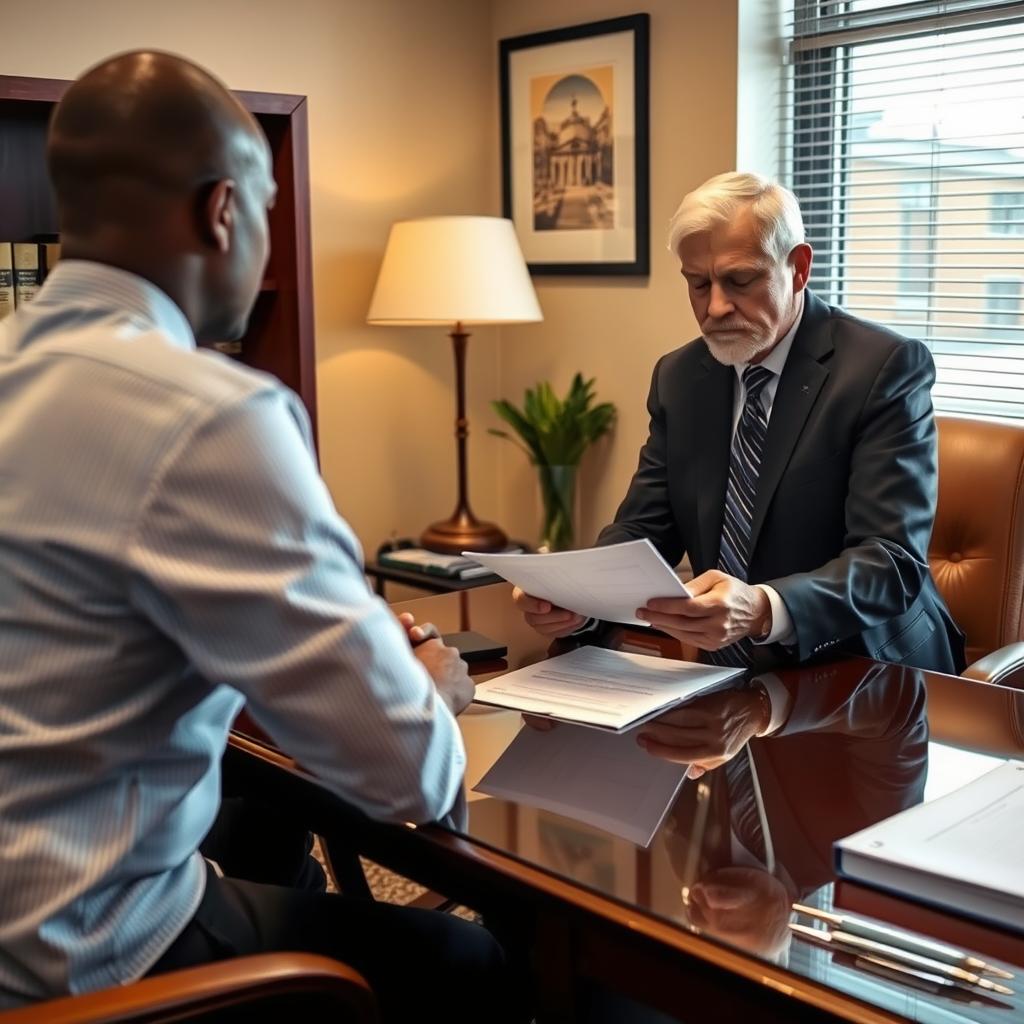
When an out‑of‑state driver engages Law Offices Of SRIS, P.C., the initial consultation focuses on the specific charge, the facts of the traffic stop, and the client’s home‑state license status. The firm’s attorneys then research whether the alleged offense is a criminal misdemeanor or a civil infraction under D.C. Law and what the District must prove at trial. Because many out‑of‑state clients cannot easily return to D.C. For multiple court dates, Mr. Sris and his Of Counsel routinely seek to have the client’s presence waived for pretrial hearings and, when permitted by the court, for the trial itself. The attorneys appear on behalf of the client, challenging the evidence, cross‑examining the citing officer, and negotiating with the prosecutor. In cases where a dismissal or a reduced charge is achievable, the team works toward that outcome without requiring the client to travel to Washington.
The criminal traffic docket at D.C. Superior Court moves on the court’s calendar, and the timeline for resolution depends on the complexity of the case and the prosecution’s readiness. Mr. Sris and his Of Counsel treat each out‑of‑state case with attention to the procedural deadlines that affect the client’s driving privileges both in D.C. And at home. When appropriate, they may seek to resolve the matter through a plea negotiation that results in a non‑moving violation or a civil disposition that avoids a criminal record. Throughout the process, the firm’s attorneys keep the client informed about what each step means for the home‑state license and insurance coverage.
About Mr. Sris and His Of Counsel Team
Mr. Sris, Owner and Founder of Law Offices Of SRIS, P.C., is a former prosecutor admitted to practice in Virginia, Maryland, the District of Columbia, New Jersey, and New York. His background in criminal prosecution provides him with an informed understanding of the government’s case‑preparation methods, and he brings that knowledge to every traffic defense. Mr. Sris has testified before the Virginia House Courts of Justice Committee in support of 2019 HB 635 (chief patron Del. David Bulova). The firm’s Of Counsel, engaged through Excella, extend the team’s capacity with extensive combined legal experience between Mr. Sris and his Of Counsel. The firm has documented case results across multiple practice areas since 1997. Results may vary.
For clients in Wesley Heights, the firm’s Arlington location provides convenient access to the D.C. Superior Court. The attorneys are familiar with the judges, prosecutors, and local procedures that shape traffic outcomes in the District. Mr. Sris and his Of Counsel serve Wesley Heights residents by concentrating on obtaining the trusted achievable resolution while minimizing the disruption to the client’s life and driving record.
Frequently Asked Questions
What should an out‑of‑state driver do after receiving a traffic ticket in DC?
An out‑of‑state driver should read the ticket carefully to determine whether the charge is a criminal offense or a civil infraction and should contact a traffic attorney before the court date. Criminal charges such as reckless driving and DUI require an appearance at the D.C. Superior Court, while civil camera citations can be resolved administratively. Because a conviction can affect a home‑state license, an attorney familiar with D.C. Traffic statutes can evaluate the charge and advise on the trusted course of action. Failing to respond to the ticket may result in a default finding, which can lead to additional penalties in the District and in the driver’s home state.
Will a DC traffic conviction affect my out‑of‑state driver’s license?
Yes, a D.C. Traffic conviction may affect your out‑of‑state license through a report to your home state’s motor vehicle agency. Although D.C. Does not belong to the Driver License Compact, the District reports most traffic‑related convictions to the National Driver Register and to the licensing authority in the driver’s state of residence. The home state then determines whether to assess points, impose a suspension, or raise insurance premiums according to its own laws. An attorney can explain which D.C. Dispositions are most likely to minimize the impact on an out‑of‑state license.
Do I need to appear in court for a DC traffic ticket, or can a lawyer appear for me?
For most criminal traffic charges, a lawyer can appear on the defendant’s behalf, and the court often permits the defendant to waive personal presence for pretrial hearings. Mr. Sris and his Of Counsel routinely appear at the D.C. Superior Court for out‑of‑state clients, handling the case without requiring the client to travel to Washington. Whether the client must appear personally for a trial depends on the nature of the charge and the judge’s direction. The firm advises each client on when personal appearance may be necessary and works to minimize the travel burden.
What is the difference between a criminal traffic offense and a civil infraction in DC?
Criminal traffic offenses, such as reckless driving and DUI, are misdemeanors prosecuted in the D.C. Superior Court, while civil infractions, including most camera‑issued tickets, are handled administratively and carry no jail time or criminal record. A criminal conviction can result in jail, fines, and a lasting criminal record, whereas a civil infraction typically involves only a monetary penalty. For out‑of‑state drivers, the distinction is especially significant because a criminal conviction is more likely to be reported to the home state and to appear on employment‑related background checks. An experienced traffic attorney can often negotiate to reduce a criminal charge to a civil disposition when the facts and law permit.
How does a traffic lawyer help an out‑of‑state driver?
A traffic lawyer helps an out‑of‑state driver by appearing in D.C. Court, challenging the prosecution’s evidence, and working to resolve the case in a way that protects the driver’s home‑state license and record. Mr. Sris and his Of Counsel focus on obtaining dismissals, reductions to non‑moving violations, or civil dispositions wherever possible. The firm also advises clients on the likely consequences in their home state and, when a trial is necessary, presents a thorough defense at the D.C. Superior Court. The goal in every case is to resolve the matter with the least possible disruption to the client’s driving privileges and daily life.
How do I consult with a traffic lawyer for a DC case?
Call Law Offices Of SRIS, P.C. at (888) 437‑7747 to schedule a consultation about a D.C. Traffic matter. The firm’s attorneys meet with clients by appointment at the Arlington location and can conduct initial conversations by phone. During the consultation, you will discuss the details of the citation, the upcoming court date, and your concerns about how the charge could affect your license and insurance. The firm then outlines the legal options and how Mr. Sris and his Of Counsel can represent you before the D.C. Superior Court.
Related pages: Washington, D.C. Traffic Lawyer · Georgetown Traffic Lawyer · Spring Valley Traffic Lawyer · Cleveland Park Traffic Lawyer · Chevy Chase DC Traffic Lawyer
Additional resources: D.C. Superior Court | D.C. Traffic Offenses (D.C. Code § 50‑2206)
Attorney advertising. Prior results do not guarantee a similar outcome.
Case results depend on a variety of factors unique to each case.