
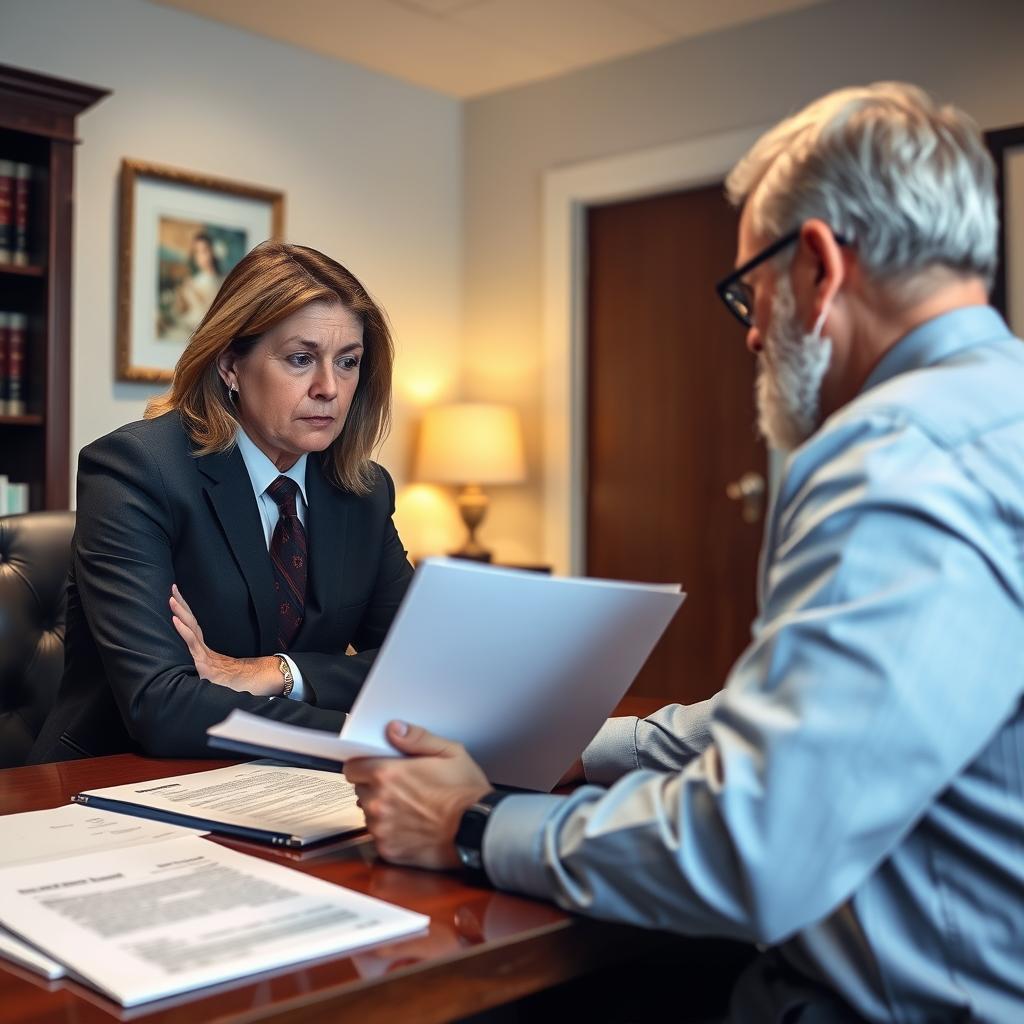
Refusal Lawyer Virginia
Refusing a breath test in Virginia is a separate criminal charge under the implied consent law. A Refusal Lawyer Virginia from Law Offices Of SRIS, P.C.—Advocacy Without Borders. defends against this charge and the associated one-year license suspension. The penalties are severe and distinct from a DUI conviction. You need immediate legal representation to protect your driving privileges. (Confirmed by SRIS, P.C.)
Statutory Definition of Refusal in Virginia
Virginia Code § 18.2-268.3 — Class 1 Misdemeanor — Up to 12 months in jail and a $2,500 fine. This statute criminalizes the refusal to submit to a breath or blood test after a lawful arrest for DUI. The law operates independently of the underlying DUI charge. A conviction triggers a mandatory one-year driver’s license revocation.
The implied consent law in Virginia is direct. Any person who operates a motor vehicle is deemed to have consented to chemical testing. This testing determines blood alcohol or drug content. The consent is implied by the act of driving on public roads. A lawful arrest for DUI is the trigger for the testing requirement. Refusing the test after arrest violates this statutory consent.
You face two separate legal actions. The first is the criminal charge for refusal under § 18.2-268.3. The second is an administrative action by the Virginia DMV. The DMV action imposes a mandatory one-year license suspension. This suspension is separate from any suspension resulting from a DUI conviction. A Refusal Lawyer Virginia challenges both proceedings aggressively.
The administrative license suspension is automatic and immediate.
The DMV process begins the moment an officer submits a refusal certification. You have only seven days from the arrest date to request a hearing. This hearing is your sole chance to contest the administrative suspension. Missing this deadline forfeits your right to challenge it. A lawyer files this request and prepares the defense for the hearing.
An acquittal on the DUI does not commitment dismissal of the refusal charge.
The refusal charge is a separate and distinct offense. The prosecution must prove you were lawfully arrested. They must also prove you refused the test after being advised of the consequences. A jury could find reasonable doubt on the DUI but convict on refusal. This makes defending both charges simultaneously a critical legal strategy.
The officer must provide specific warnings about the consequences of refusal.
Virginia law requires officers to read a specific implied consent form. This form outlines the penalties for refusing the breath or blood test. Failure to provide this warning properly can be a defense. The officer’s procedure and documentation are always scrutinized. Any deviation from the statutory script can weaken the prosecution’s case.
The Insider Procedural Edge in Virginia Courts
Your refusal case will be heard in the General District Court of the jurisdiction where the arrest occurred. Procedural specifics for Virginia are reviewed during a Consultation by appointment at our Virginia Locations. The timeline is fast, and the consequences are immediate. You need a lawyer who knows the local courtrooms and prosecutors. Learn more about Virginia legal services.
General District Courts handle all misdemeanor refusal charges. These courts move quickly, with high caseloads. The first appearance is the arraignment, where you enter a plea. A not guilty plea sets the case for a trial. Trials in General District Court are bench trials, heard by a judge alone.
The filing fee for an appeal to Circuit Court is critical to know. If convicted in General District Court, you have the right to appeal. This appeal triggers a completely new trial in the Circuit Court. The appeal must be filed within ten days of the conviction. An experienced lawyer will advise on the strategic value of an appeal.
The seven-day deadline for the DMV hearing is non-negotiable.
This administrative deadline is the most urgent in a refusal case. The clock starts ticking on the date of your arrest. The hearing is conducted by the Virginia Department of Motor Vehicles. It is a civil proceeding with different rules of evidence. Winning this hearing can preserve your license while the criminal case proceeds.
Local prosecutor policies on plea bargaining refusal charges vary.
Some Commonwealth’s Attorneys may offer reductions in certain circumstances. Others take a hard line on refusal cases. Knowledge of these local tendencies is an advantage. A lawyer with local experience knows which arguments may resonate. This insight can shape the defense strategy from the start.
Pre-trial motions can challenge the legality of the underlying arrest.
A motion to suppress argues the officer lacked probable cause for the DUI arrest. If successful, the refusal charge may be dismissed. The arrest must be lawful for the refusal charge to stand. These motions require detailed knowledge of search and seizure law. They are a primary defense tool for a skilled refusal attorney.
Penalties & Defense Strategies for Refusal
The most common penalty for a first-offense refusal is a 12-month driver’s license suspension and a fine. Jail time is possible, especially for repeat offenses. The penalties escalate sharply with prior DUI or refusal convictions. The table below outlines the statutory penalties. Learn more about criminal defense representation.
| Offense | Penalty | Notes |
|---|---|---|
| First Offense Refusal | Class 1 Misdemeanor: Up to 12 months jail, $2,500 fine. Mandatory 1-year license suspension. | Jail is uncommon for first offense without aggravators. Fine and suspension are standard. |
| Refusal with Prior DUI/Refusal | Class 1 Misdemeanor. Mandatory minimum 3-day jail term if prior within 10 years. License suspension remains 1 year. | Prior convictions trigger mandatory jail time under Va. Code § 18.2-270. |
| Second Refusal Charge | Class 1 Misdemeanor. Enhanced penalties apply. Potential for longer jail sentence. | Courts view repeat refusal as defiance of the law. |
| Refusal in a Commercial Vehicle | Class 1 Misdemeanor. One-year disqualification of commercial driver’s license (CDL). | This is a federal mandate and applies even for personal vehicle use. |
[Insider Insight] Virginia prosecutors often view refusal as an attempt to hide a high BAC. They may be less willing to negotiate this charge compared to a first-time DUI. Defense strategy must directly counter this perception by challenging the arrest’s legality or the officer’s procedure.
An effective defense attacks multiple fronts. The first front is the administrative DMV hearing. The goal is to prevent the license suspension from taking effect. The second front is the criminal trial in General District Court. Here, the defense challenges every element the Commonwealth must prove.
A common defense is challenging the officer’s probable cause for the initial arrest.
The prosecution must prove the DUI arrest was lawful. If the stop was illegal or the arrest lacked probable cause, the refusal charge fails. Your lawyer will file a motion to suppress evidence. Winning this motion can lead to a dismissal of all charges.
The officer’s failure to properly advise you of the consequences is a defense.
The implied consent warnings must be read verbatim from the form. Any material deviation can be argued as a violation of your rights. The officer’s testimony and the form itself are closely examined. Inconsistencies can create reasonable doubt.
Medical or physical inability to perform the test can be a valid defense.
A legitimate medical condition may prevent a person from providing a breath sample. This is not a refusal under the law. Documentation from a physician is crucial. The defense must prove the inability was genuine and communicated to the officer.
Why Hire SRIS, P.C. for Your Virginia Refusal Charge
Bryan Block, a former Virginia State Trooper, provides unmatched insight into DUI and refusal investigations. His experience on the other side of these cases is a decisive advantage for clients facing refusal charges in Virginia. He knows how police build these cases and where their weaknesses lie. Learn more about DUI defense services.
Bryan Block
Former Virginia State Trooper
Extensive experience in DUI and traffic law enforcement
Uses insider knowledge to challenge arrest procedures and officer testimony.
SRIS, P.C. has defended clients against refusal charges across Virginia. Our attorneys understand the severe implications of a refusal conviction. We fight the DMV suspension and the criminal charge simultaneously. Our approach is aggressive and detail-oriented from day one.
We scrutinize every aspect of your case. We review the traffic stop, the field sobriety tests, and the arrest report. We examine the implied consent form and the officer’s procedure. We look for constitutional violations and procedural errors. Our goal is to create use for a favorable outcome.
Our Virginia Locations are staffed with attorneys ready to defend you. We provide a Consultation by appointment to review the specific facts of your arrest. We explain the process, the potential penalties, and your defense options. You need a lawyer who acts quickly to protect your license and your future.
Localized FAQs on Refusal Charges in Virginia
Can I get a restricted license after a refusal suspension in Virginia?
No. Virginia law prohibits the issuance of any restricted license for a first-offense refusal suspension. The one-year revocation is absolute with no driving privileges granted.
How long does a refusal stay on my Virginia driving record?
A refusal conviction remains on your Virginia driving record for 11 years. It is treated similarly to a DUI conviction for record-keeping purposes by the DMV. Learn more about our experienced legal team.
Is it better to refuse a breath test if I think I’m over the limit?
No. Refusal commitments a one-year license suspension and a separate criminal charge. A DUI conviction may result in a shorter suspension. The penalties for refusal are severe and certain.
What happens at the DMV refusal hearing in Virginia?
The hearing officer reviews if the arrest was lawful and if you refused the test. It is a civil proceeding. Winning requires showing error in the officer’s procedure or lack of probable cause.
Can I be forced to give a blood sample if I refuse the breath test?
Yes. Under Virginia’s implied consent law, refusal of a breath test authorizes the officer to require a blood test. Refusing the blood test is a separate violation of the law.
Proximity, CTA & Disclaimer
SRIS, P.C. has Locations across Virginia to serve clients facing refusal charges. Our attorneys are familiar with the General District Courts throughout the state. We provide defense for refusal charges in every jurisdiction.
Consultation by appointment. Call 888-437-7747. 24/7.
Law Offices Of SRIS, P.C.
—Advocacy Without Borders.
Phone: 888-437-7747
Past results do not predict future outcomes.